HOW MUCH DOES IT COST TO BUILD A GRANNY FLAT IN 2026?
(Spoiler: They’re Not Just for Grannies Anymore…)
Let’s clear something up right away: granny flats are no longer just for… well… grannies.
These days, they’re home to adult kids who show no sign of moving out anytime soon, savvy investors chasing rental income, Airbnb side hustlers, and even long-term guests.
Basically, they’ve become the hardest-working little homes in Australia right now.
So if you’re thinking about building one, the big question is: how much does a granny flat actually cost in 2026?
Let’s break it down properly - no fluff, no surprises, just the real numbers (and where your money actually goes).

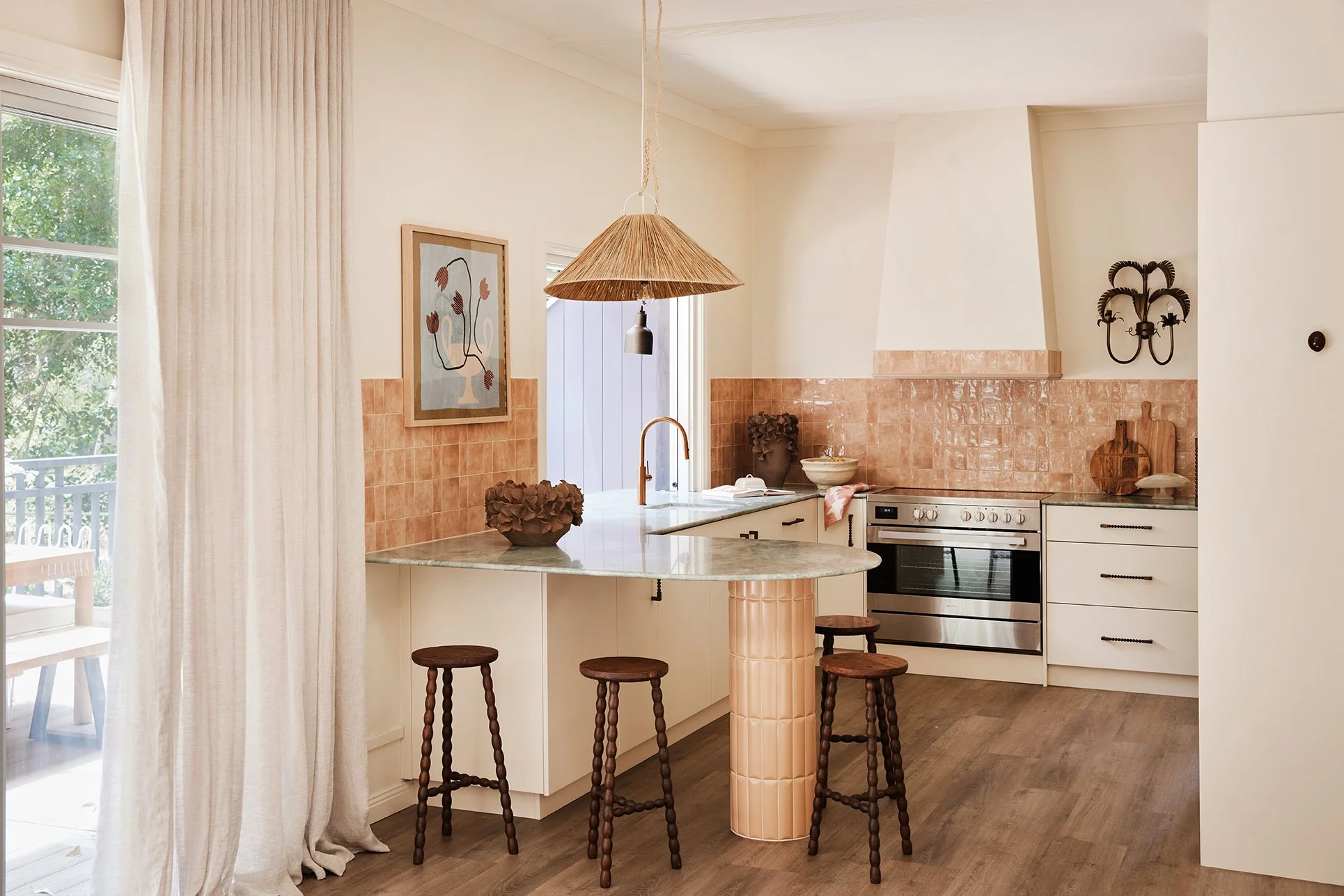
Three Birds River Shack – Kitchen
WHAT IS A GRANNY FLAT?
A granny flat is a self-contained secondary dwelling built on the same property as a primary residence. It includes its own kitchen, bathroom, sleeping area, and living space, fully independent from the main house.
They can be attached to the main home, detached and freestanding in the backyard, or converted from an existing garage or outbuilding. Most Australian states cap the maximum size at 60m², though some councils allow slightly larger floor areas depending on the lot size and zone.
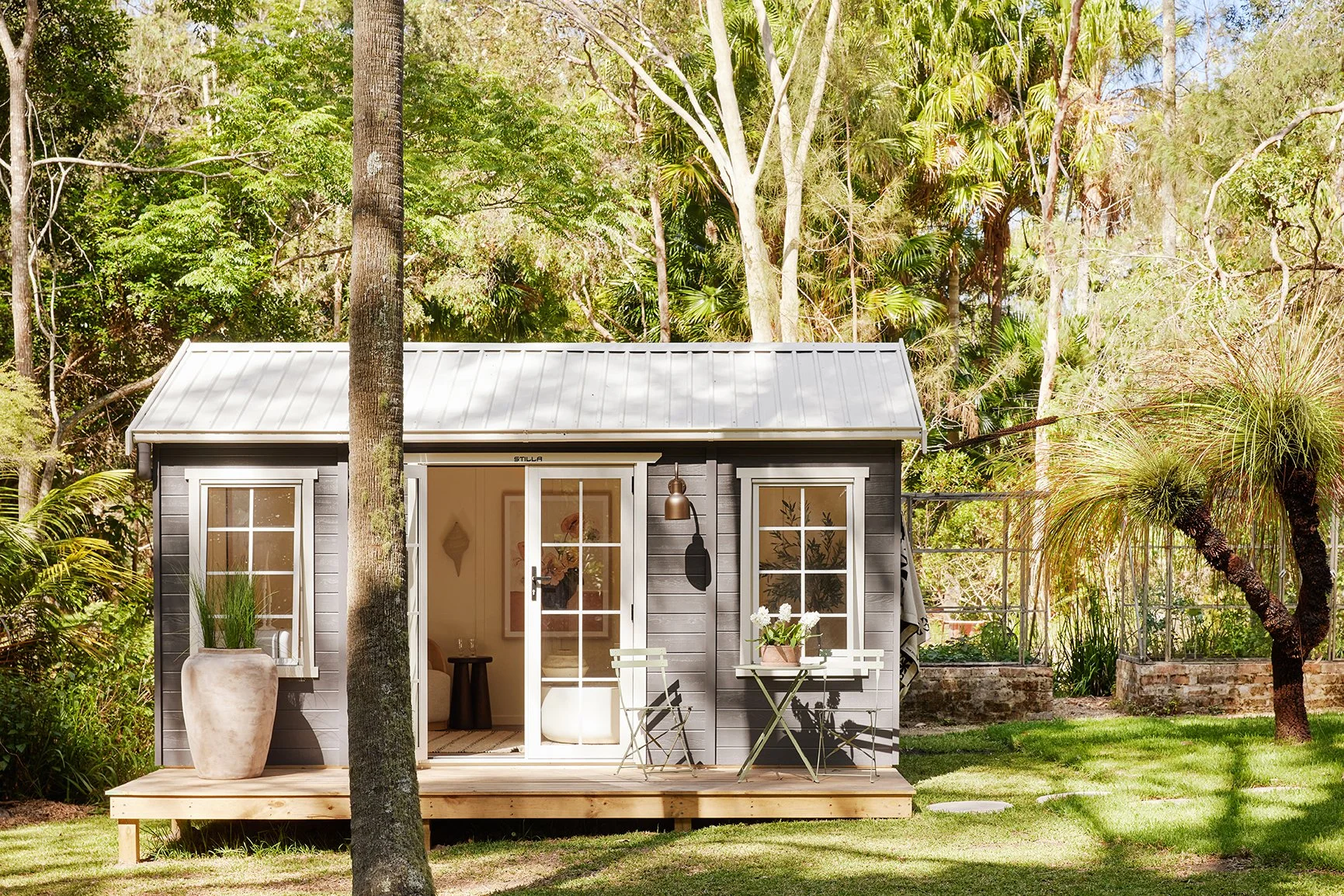
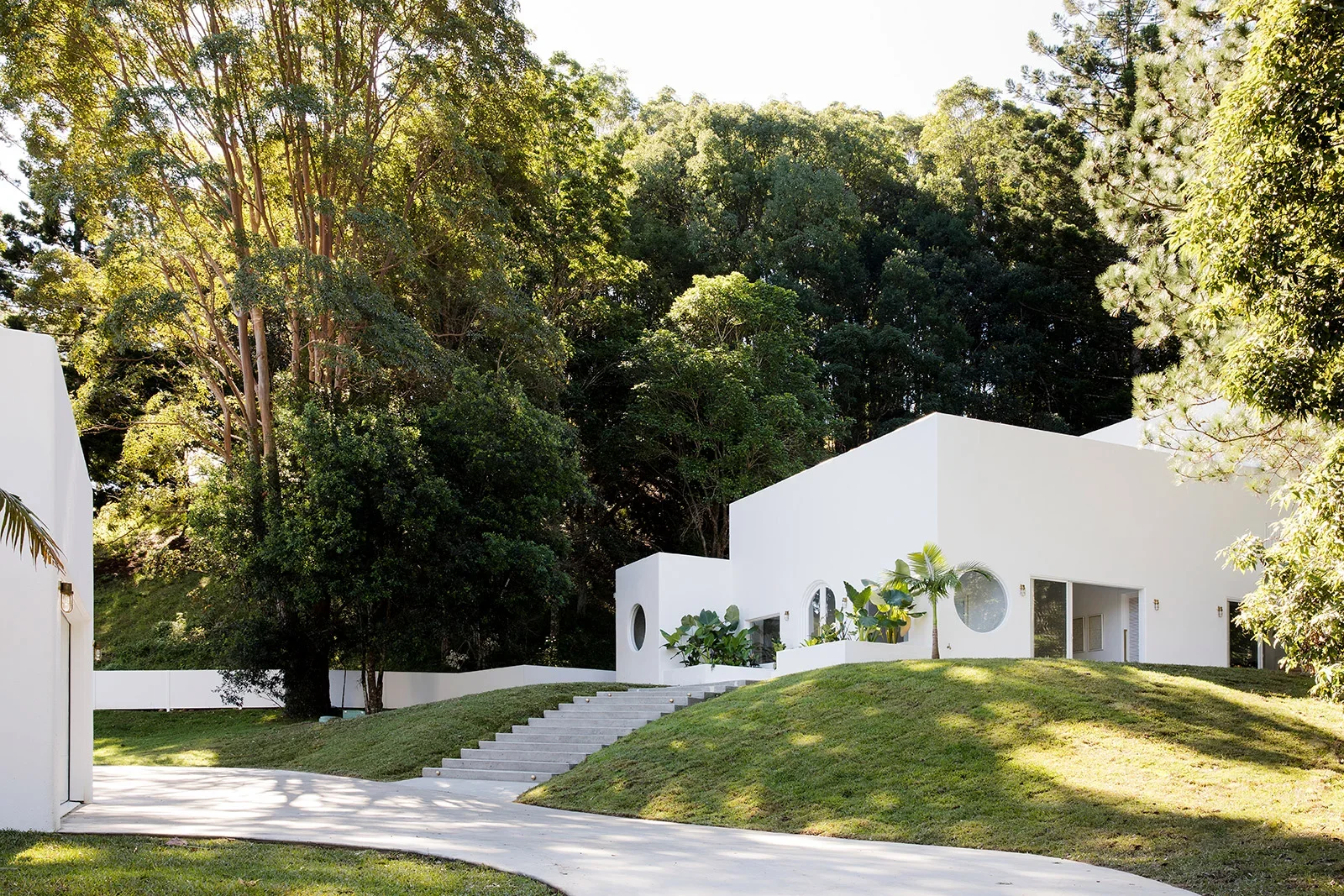
Three Birds Eclectic Escape – Shed

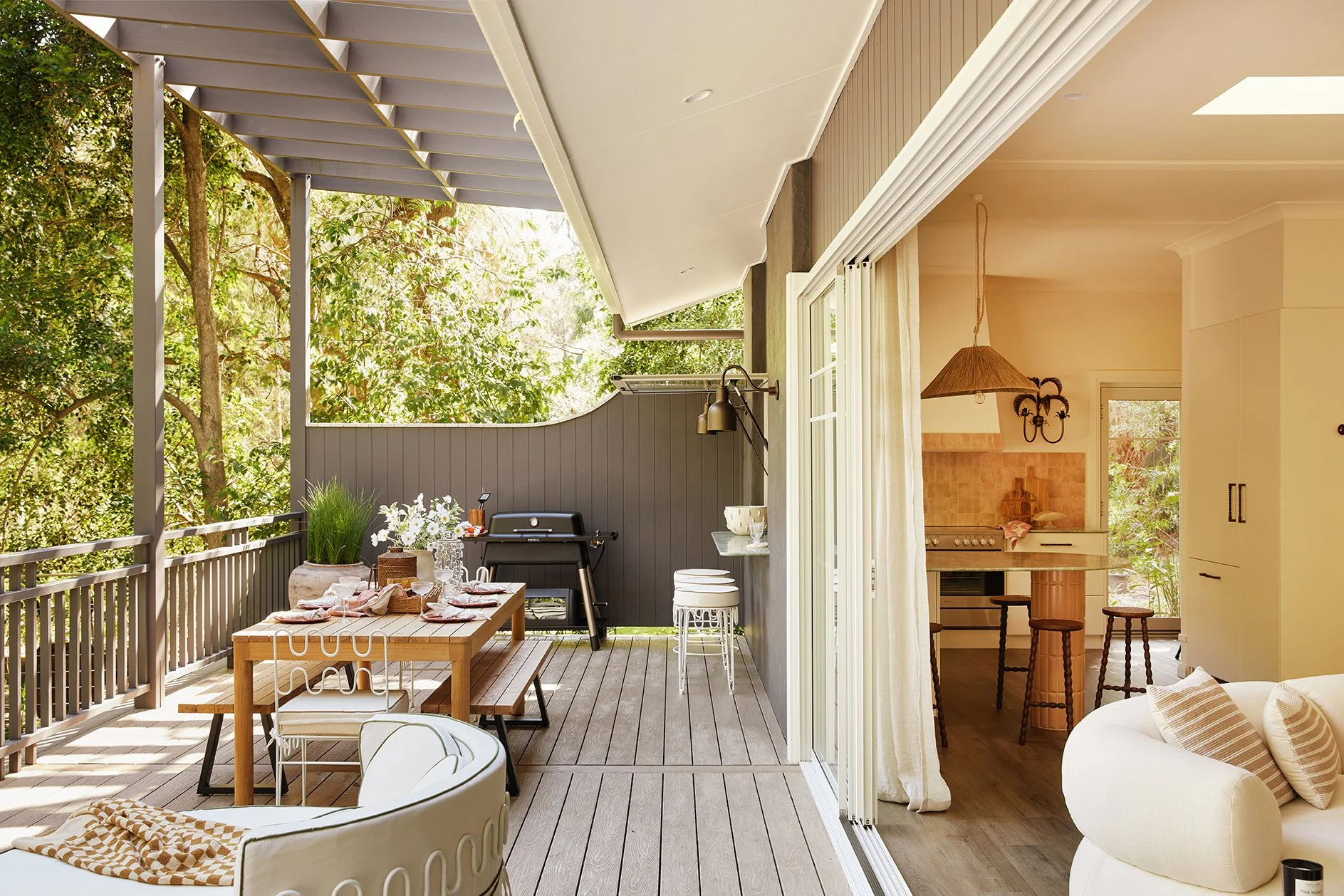
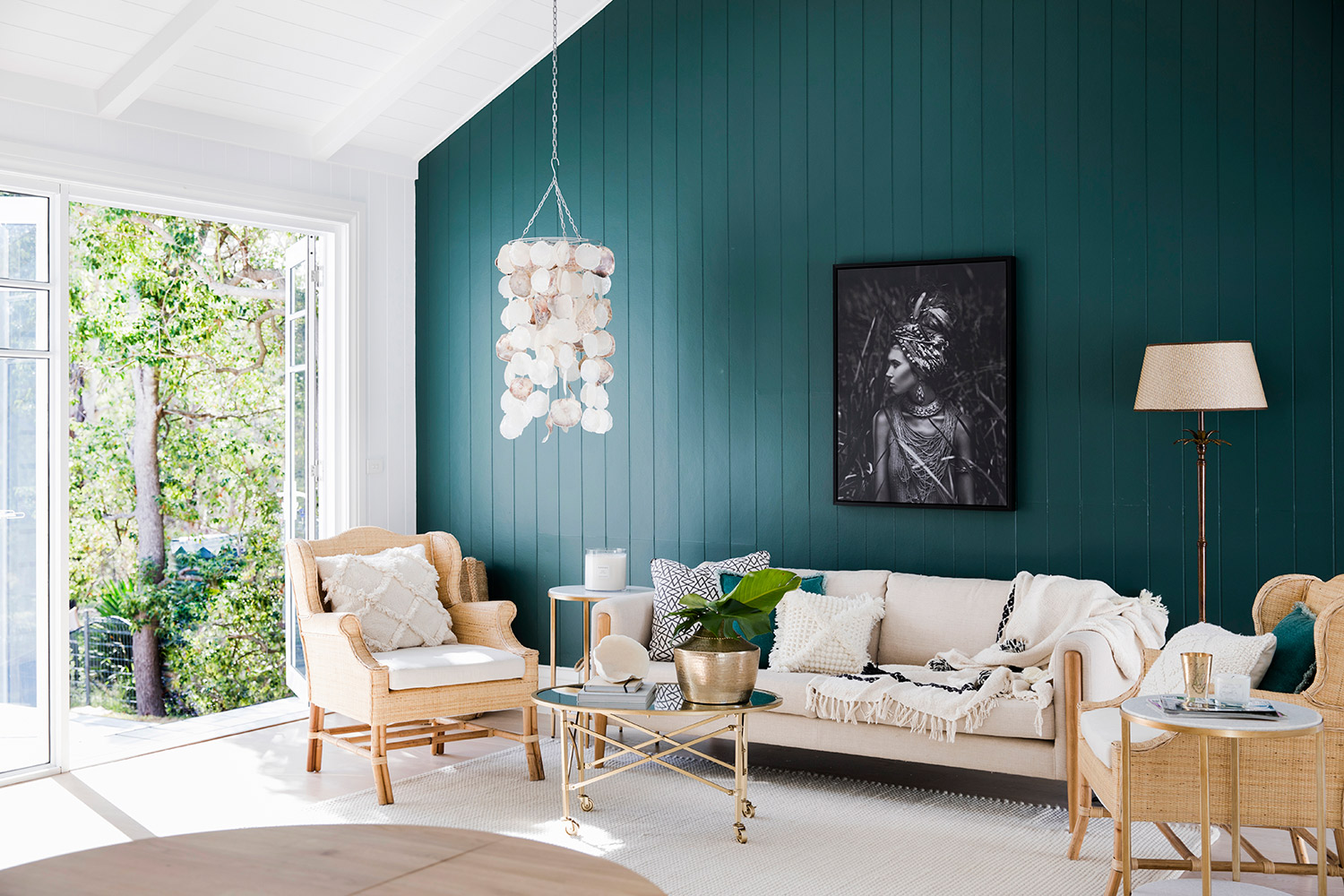
Three Birds Beach Shack – The Guest Cottage
HOW MUCH DOES A GRANNY FLAT COST IN 2026?
In 2026, the cost to build a granny flat in Australia ranges from approximately $95,000 for a basic prefabricated unit to $400,000 or more for a fully custom architect-designed secondary dwelling. The most common mid-range builds — a quality one or two-bedroom flat with good finishes — sit between $140,000 and $210,000 all-in.
These figures represent the total project cost — not just the construction contract price. A comprehensive granny flat budget must include design fees, council approval, site preparation, services connections, landscaping, and a contingency buffer. Many homeowners underestimate the true all-in cost by focusing only on the builder's contract price.
Important: Always budget a 20% contingency on top of your quoted build cost. Site conditions, approval delays, and scope changes are common and can add significantly to your final spend.

TYPES OF GRANNY FLAT & COST RANGES
Your choice of build type will be the single biggest influence on your total budget. Each approach offers a different balance of cost, quality, customisation, and speed.
1) PRE FAB / KIT BUILD
$95,000 – $140,000
Factory-manufactured and delivered to site. Faster build time and predictable pricing, with limited ability to customise floor plans or finishes.
2) PROJECT / VOLUME BUILD
$140,000 – $210,000
Pre-designed floor plans with a selection of finishes. The most popular option in Australia — good quality, reasonable lead times, and competitive pricing.
3) Semi-custom build
$210,000 – $280,000
Modified plans with a boutique builder. Greater control over layout, joinery, and sustainability features such as solar-ready wiring and passive cooling.
4) Fully custom / architect-designed
$280,000 – $400,000+
Designed from the ground up by an architect. Maximum design flexibility, premium finishes, and the highest potential impact on property value.

FULL GRANNY FLAT COST BREAKDOWN
Understanding where your money goes helps you make smarter decisions about where to invest and where to save. Here's a detailed breakdown of every cost category in a typical 2026 granny flat build:
| COST CATEGORY | 2026 COST RANGE | WHAT TO KNOW |
|---|---|---|
| Design & council approval | $4,000 – $18,000 | Includes drafting, DA or CDC application, and certifier fees. CDC approvals are faster — 6 to 10 weeks vs 3 to 5 months for a full DA. |
| Site preparation & excavation | $6,000 – $30,000 | Sloping blocks, poor access, and tree removal drive costs up significantly. |
| Slab & foundations | $12,000 – $36,000 | Soil classification is key — reactive or problem soils require an engineered slab at a higher cost. |
| Frame & roof structure | $24,000 – $52,000 | Roof pitch, style, and frame material (timber vs steel) all influence this line item. |
| External cladding & windows | $18,000 – $42,000 | NCC 2025 energy standards require higher-performance glazing and insulation in new builds. |
| Plumbing & electrical | $24,000 – $48,000 | Distance from the main home's existing services is a major cost driver. Book tradespeople early. |
| Kitchen & bathroom fit-out | $18,000 – $60,000 | The biggest variable in any build. Entry-level packages start around $18K; a high-spec two-wet-area fit-out can reach $60K or more. |
| Flooring & internal finishes | $9,000 – $24,000 | Covers painting, floor coverings, joinery, and window treatments. |
| Landscaping & fencing | $6,000 – $24,000 | Privacy fencing is required by some councils. Landscaping is often cut from budgets and then regretted. |
| Driveway & path access | $4,000 – $14,000 | Concrete, pavers, or gravel. Some LGAs require accessible pathways to the dwelling. |
| Solar & EV rough-in (optional) | $3,000 – $10,000 | Increasingly requested by tenants. Adding solar capability at build time is far cheaper than retrofitting later. |
KEY FACTORS THAT AFFECT GRANNY FLAT COSTS
No two granny flat projects cost the same. These are the variables that most commonly move the needle on your budget:
Block size and shape: Larger blocks with good rear access are generally cheaper to build on. Narrow lots, long setbacks, or poor vehicle access increase site and delivery costs.
Site slope and soil conditions: A flat site with good soil is the cheapest scenario. Sloping blocks require cut-and-fill or post-and-beam construction. Reactive soils require engineered slabs. A $1,000–$1,500 soil test before you commit to a builder can save you tens of thousands of dollars.
Approval pathway: A Complying Development Certificate (CDC) is faster and cheaper than a full Development Application (DA). Not all blocks or zones are eligible for CDC — check with your local council before assuming this route is available to you.
Distance from existing services: The further your granny flat is from the main home's electrical switchboard, water meter, and sewer connection, the more it costs to run new services. A flat at the rear of a 40m block can add $5,000–$15,000 in services costs alone.
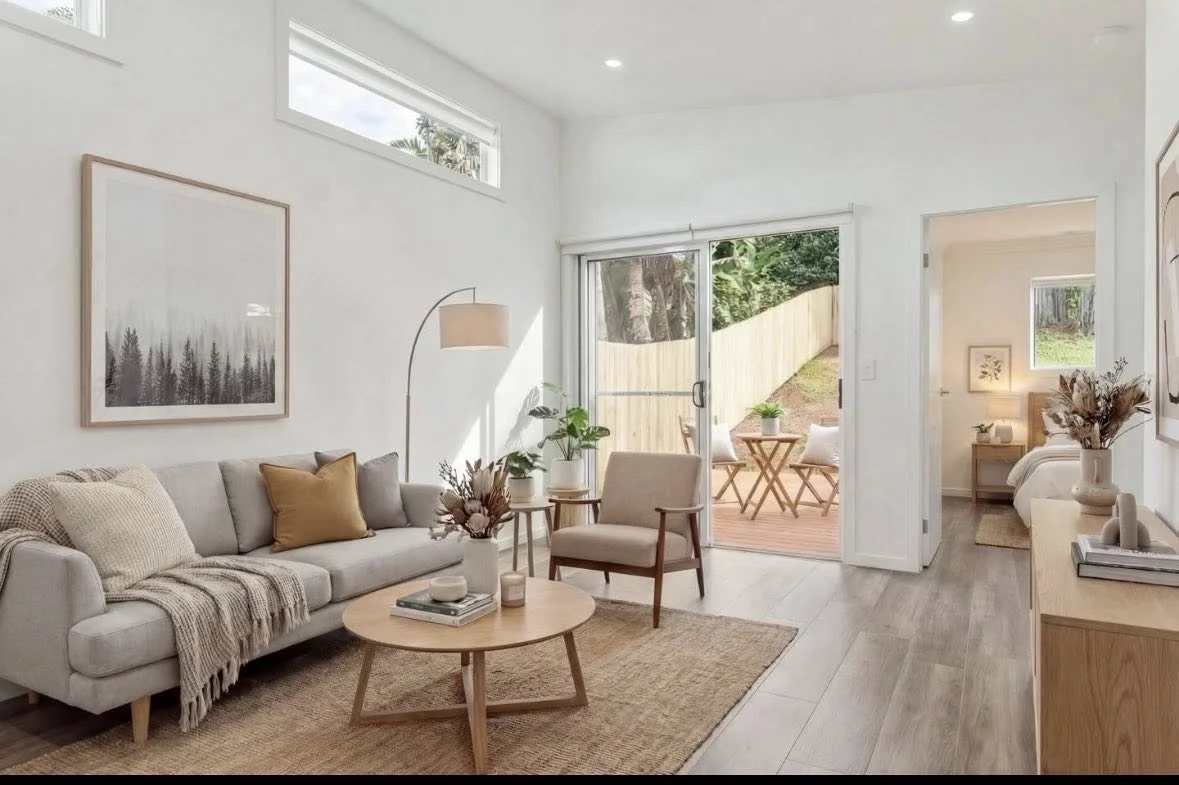
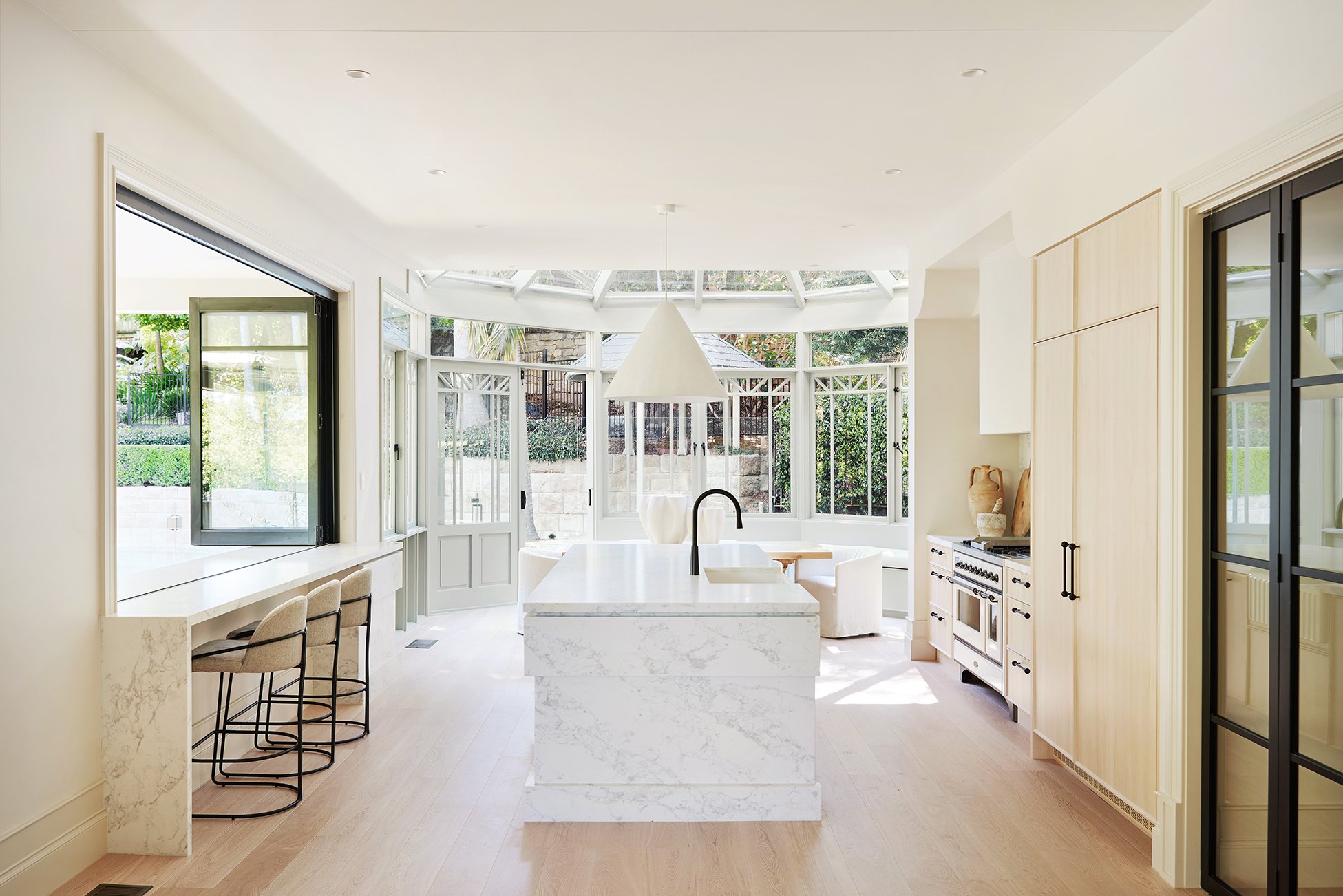
Reno School Student – Gabriela Rodriguez
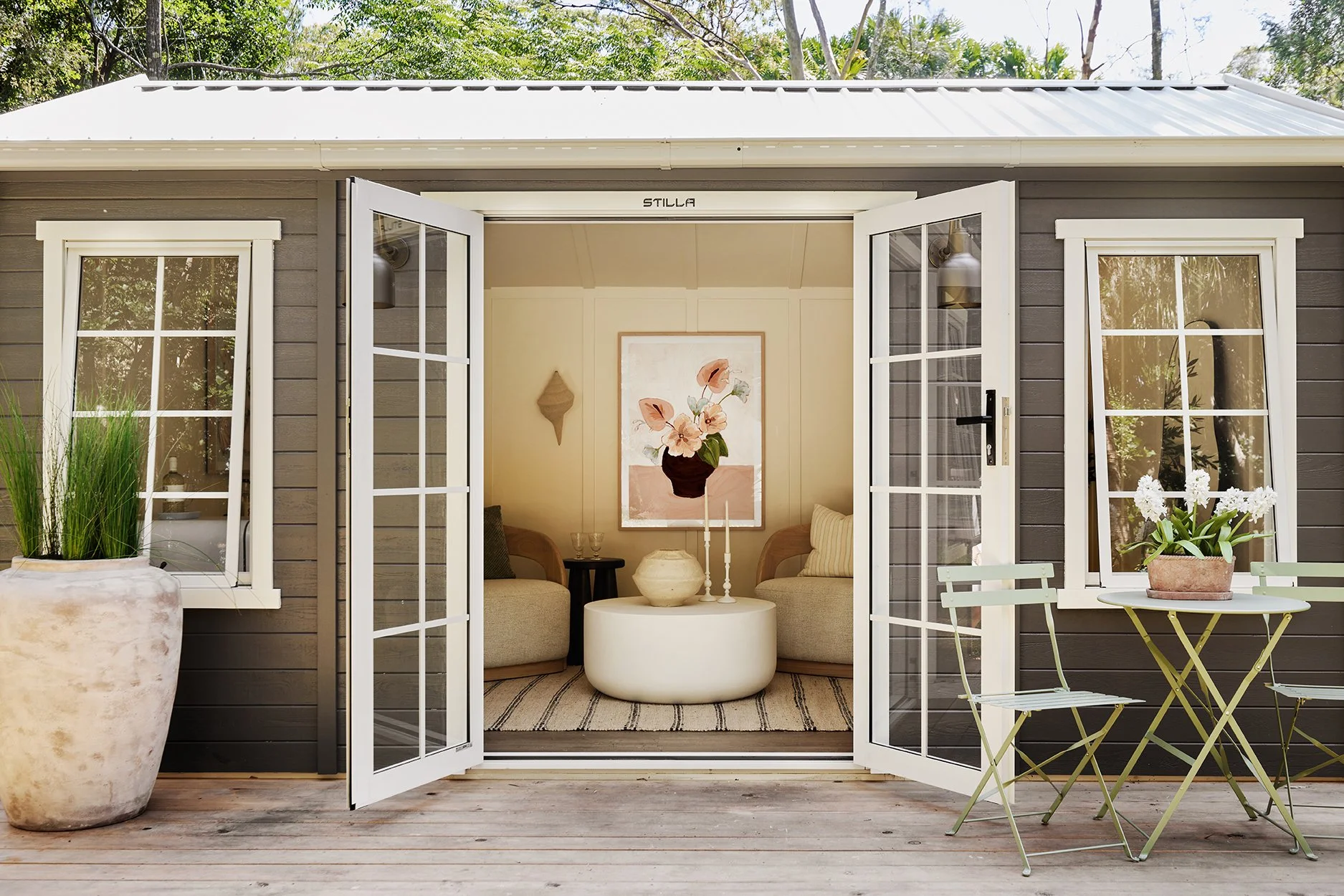
Three Birds Eclectic Escape – Shed
Kitchen and bathroom specification: These two rooms contain the greatest cost variation of any line item. Selecting builder-supplied fixtures and fittings keeps costs predictable; specifying your own adds procurement time and potential price increases.
Your state and local council: Planning rules, development contributions, and required setbacks vary significantly across states and local government areas. NSW, VIC, and QLD have the most established CDC pathways for secondary dwellings, while other states may have more restrictive rules.
Builder type and market conditions: Volume builders offering standardised plans are the most cost-competitive. Boutique or custom builders charge a premium but often deliver a more personalised experience and higher-quality result. In 2026, tradesperson availability varies significantly by region — expect longer lead times in outer suburban and regional areas.
ONGOING COSTS TO PLAN FOR
Your granny flat investment doesn't stop at the build. Factor these recurring costs into your financial planning:
Estimated annual running costs
Council rates (separate assessment): $900 – $2,400
Water & sewerage charges: $700 – $1,400
Building & contents insurance: $700 – $1,800
Landlord insurance (if renting): $500 – $1,100
Property management fee: 7 – 10% of gross rent
Maintenance & repairs: $800 – $2,000

RETURN ON INVESTMENT: IS A GRANNY FLAT WORTH IT IN 2026?
A well-built granny flat is one of the highest-returning property investments available to Australian homeowners. Rental demand for compact, self-contained dwellings remains exceptionally strong across metropolitan and many regional areas, with vacancy rates in most capital cities sitting below 2%.
Typical weekly rents for granny flats in 2026 range from $350 in regional areas to $850 in inner-city Sydney and Melbourne suburbs. A mid-range $175,000 build renting at $550 per week generates approximately $28,600 per year in gross rental income.
Beyond pure rental yield, granny flats consistently add more to a property's sale value than they cost to build, making them a dual-purpose investment. Many homeowners also build to accommodate ageing parents or adult children — a benefit that is harder to quantify but deeply valued.
Tax note: If you rent out your granny flat, it may be subject to capital gains tax implications on a portion of your property when you sell. Speak with a qualified accountant or property tax specialist before proceeding.


FREQUENTLY ASKED QUESTIONS
How long does it take to build a granny flat in 2026?
From initial design to handover, a granny flat typically takes 6 to 12 months in 2026. A CDC approval pathway takes 6–10 weeks; a full DA can take 3–5 months or longer. Construction itself usually runs 10–16 weeks, depending on the builder and site complexity.
Do I need council approval to build a granny flat?
Yes. In most cases, you will need either a Complying Development Certificate (CDC) or Development Application (DA) approval before construction begins. The pathway available to you depends on your block size, zoning, and local council rules. Some states have recently expanded CDC eligibility, making approval faster and cheaper for many homeowners.
Can I rent out my granny flat?
Yes — renting out a granny flat is legal across Australia, provided the dwelling has been properly approved and complies with minimum habitable standards. You will need to arrange separate utility metering if you want tenants to pay their own bills. Landlord insurance is strongly recommended.
What size granny flat can I build?
In most Australian states, the maximum size for a secondary dwelling is 60m² of floor area. Some councils allow larger secondary dwellings on bigger lots or in specific zones. Your block must also meet minimum lot size requirements — typically 450m² to 500m², depending on your state and council.
What is the cheapest way to build a granny flat?
The cheapest route is a prefabricated or kit granny flat, which can be built for $95,000–$140,000 all-in. To keep costs low: choose a flat site close to existing services, opt for a builder's standard plan rather than a custom design, select standard fixtures and fittings, and apply via CDC rather than DA where eligible.
Does a granny flat add value to my property?
In most cases, yes. A well-built and properly approved granny flat typically adds more to your property's market value than it costs to construct, particularly in high-demand suburban and inner-city areas. The added value depends heavily on build quality, location, and how the dwelling is presented to buyers.
All costs are indicative estimates for Australian builds as of 2026. Prices vary by state, local council requirements, site conditions, and builder. Always obtain a minimum of three independent quotes from licensed builders before committing to a project.